.svg)

What Real Ownership Actually Looks Like in Real Estate


After all the talk about independence, models, branding, and design, this is the point where everything either becomes clear or stays theoretical.
Real ownership in real estate isn’t a slogan.
It isn’t a vibe.
And it definitely isn’t a logo.
It’s a structure.
Real Ownership in Real Estate Is Structural
Agents who truly own their real estate business can feel the difference immediately, even if they don’t always articulate it.
Real ownership shows up as:
● Authority over decisions, not just appearance
● Control of systems, not reliance on shared platforms
● The ability to evolve without asking permission
● A brand that reflects intent, not compromise
This is why ownership compounds over time. Every decision builds on the last, rather than being limited by what already exists.
Ownership Versus Participation in Real Estate Models
Many real estate models offer participation. They provide access to tools, templates, and support, while retaining control of the underlying structure.
Ownership flips that equation.
When ownership is real:
● Systems are built around the agent, not the network
● Design decisions are intentional, not inherited
● The business adapts as the market changes
● Long-term equity stays with the agent
Participation feels easier at first. Ownership feels clearer over time.
Why Ownership Changes How the Market Responds
Buyers and sellers respond to coherence. They may not analyse it, but they feel it.
When a real estate business is fully owned, everything aligns more naturally. Branding feels resolved. Messaging is consistent. Design choices make sense in context.
There’s less noise. Less justification. Less explanation.
The market reads this as confidence.
What Real Ownership Enables Over the Long Term
Ownership isn’t about doing more. It’s about doing things with precision.
Over time, real ownership enables:
● Stronger brand recognition built on clarity, not repetition
● Systems that support growth without dilution
● A business that holds value beyond the agent
● Strategic freedom instead of incremental compromise
These advantages don’t always show up immediately. They show up steadily.
Why Some Agents Choose Ownership and Others Don’t
Not every agent wants this level of responsibility. And that’s fine.
Ownership requires decision-making.
It requires clarity.
It requires letting go of borrowed certainty.
For some agents, convenience is the right trade-off. For others, independence isn’t optional. It’s how they work best.
The important thing is understanding the difference.
Independence That Holds Up
Real independence in real estate isn’t declared when you leave a structure. It’s demonstrated by what you build in its place.
When ownership is real, the business feels settled rather than transitional. Design looks intentional. Systems feel authored. Decisions align.
There’s no need to announce independence. It’s visible.
And once you see what real ownership actually looks like, it’s very hard to mistake the illusion for the real thing again.


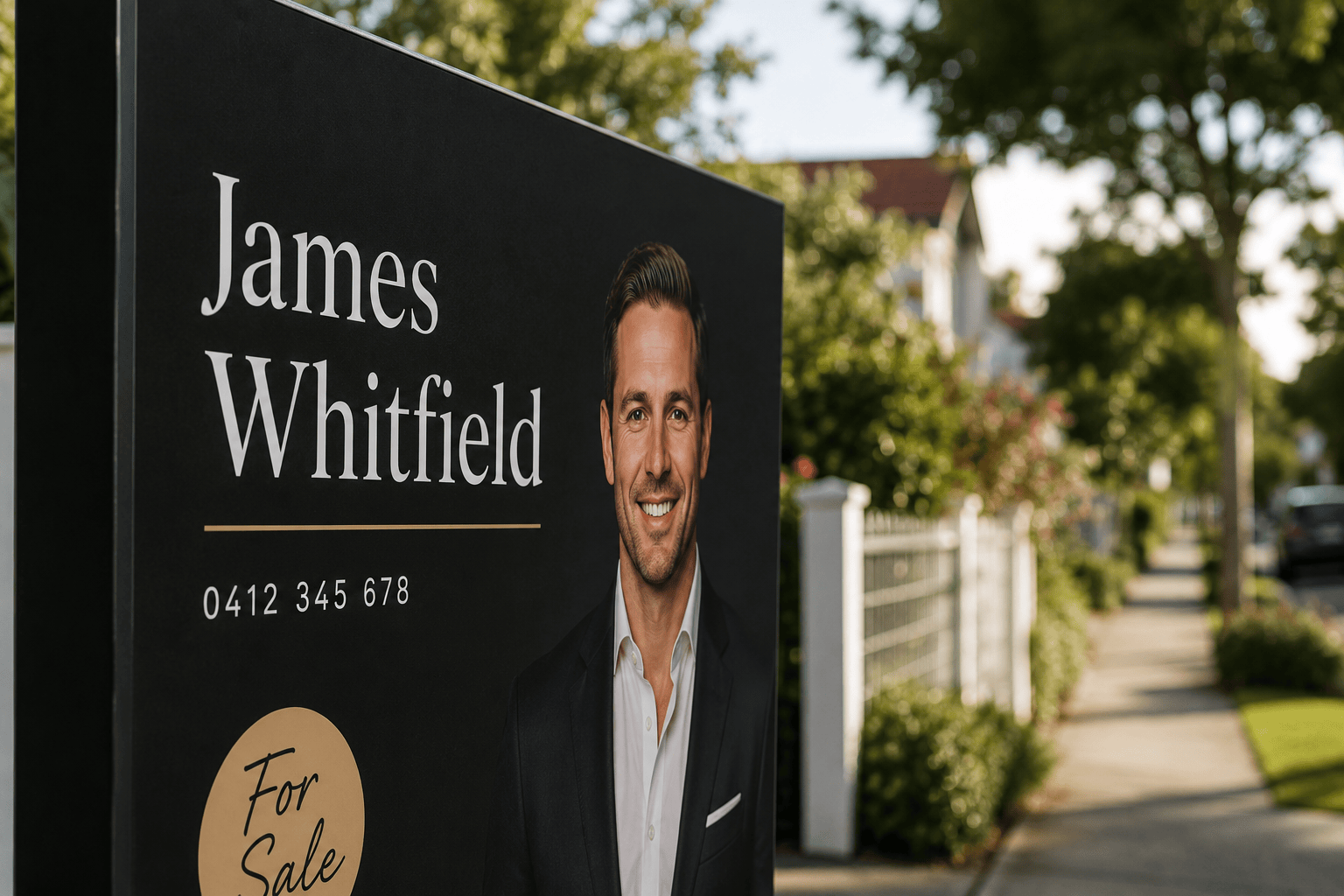
Most agents assume their brand is working. This article breaks down what your real estate agent brand is actually communicating to vendors before you've said a word, the most common signals that quietly cost agents listings, and a practical audit you can run yourself to close the gap.

A curated guide to the best branding and business books for independent real estate agents building modern boutique agencies. From positioning and storytelling to leadership, marketing, and independence, these are the titles shaping smarter agency brands. Inspired by decades inside the industry and the shift toward true independent ownership.
Just one more step to make your perfect choice. Click either button below to get started.


