.svg)

When Freedom in Real Estate Is Mostly Cosmetic


Most agents can sense when something doesn’t quite add up, even if they can’t immediately explain why. In real estate, this often shows up after an agent has moved into an almost independent model.
On paper, they’re free. In practice, the freedom feels thinner than expected.
That gap is rarely about income. It’s about control.
The Appearance of Real Estate Independence
Cosmetic independence in real estate looks convincing at first glance.
Agents often have:
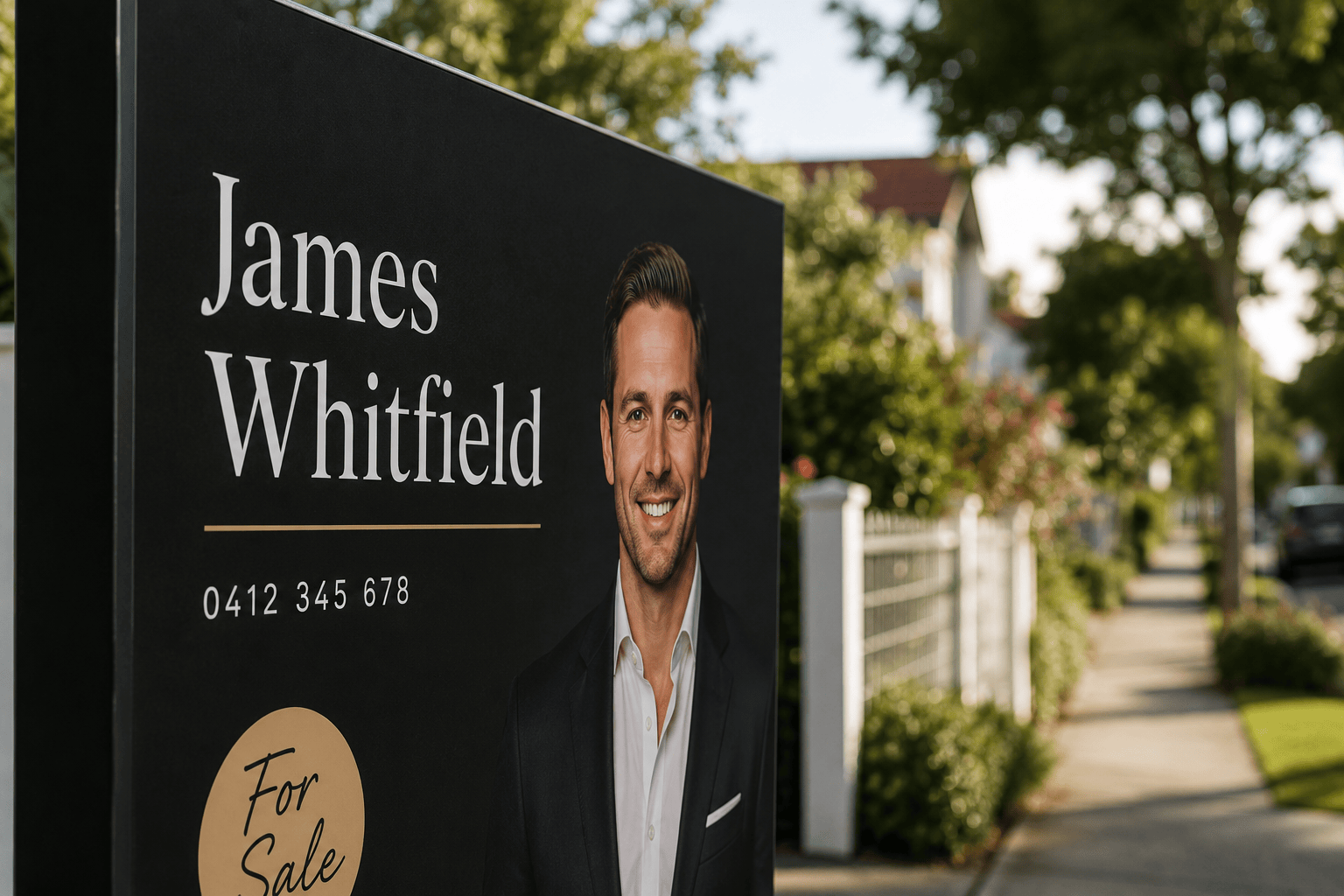
● Their name on the sign
● A custom logo or colour palette
● Branded templates for marketing
● Language around autonomy and flexibility
These signals suggest ownership. But signals only work when they’re backed by structure.
When branding is layered onto an inherited system, the independence is visual, not operational.
Why ‘Name on the Sign’ Isn’t Brand Ownership
Putting an agent’s name on a real estate business doesn’t automatically create ownership.
It creates recognition, which isn’t the same thing.
Brand ownership means:
● Control over how the brand evolves
● Authority over design decisions
● Freedom to adapt systems without approval
● The ability to express a clear market position
When these elements are constrained by shared platforms or templated frameworks, the brand may look personal, but it isn’t fully owned.
This is where many almost independent real estate brands quietly stall
How Cosmetic Freedom Shows Up Over Time
The limits of cosmetic freedom don’t usually appear in the first year. They emerge gradually.
A design change that isn’t quite possible. A system that can’t flex as the business grows. A brand that feels increasingly generic as the market matures.
None of these are deal-breakers on their own. Together, they create a sense of friction that’s hard to name but impossible to ignore.
Agents begin to realise they’re operating within someone else’s idea of what independence should look like.
Why the Market Reads This Instantly
Buyers and sellers may not analyse brand structures consciously, but they respond to signals instinctively.
When a real estate brand feels templated, it communicates safety over confidence. When design lacks intention, it suggests compromise rather than clarity.
Cosmetic independence tends to flatten differentiation. It removes sharp edges in favour of uniformity.
In a competitive market, that subtle sameness carries a cost.
Cosmetic Freedom Versus Real Control
True independence in real estate isn’t loud. It doesn’t announce itself. It’s visible in coherence.
When design, systems, and messaging align naturally, the brand feels authored rather than assembled.
Cosmetic freedom focuses on appearance. Real control focuses on structure.
Understanding the difference is often the moment an agent realises why their version of independence doesn’t feel complete.
In the next article, we’ll look at why design is where this difference becomes impossible to ignore, and how real estate brands reveal ownership through design long before they do through words.


Most agents assume their brand is working. This article breaks down what your real estate agent brand is actually communicating to vendors before you've said a word, the most common signals that quietly cost agents listings, and a practical audit you can run yourself to close the gap.

A curated guide to the best branding and business books for independent real estate agents building modern boutique agencies. From positioning and storytelling to leadership, marketing, and independence, these are the titles shaping smarter agency brands. Inspired by decades inside the industry and the shift toward true independent ownership.
Just one more step to make your perfect choice. Click either button below to get started.


